

New Law on Personal Injury Accidents | Court Removed and Compensation Paid Within 20 Days

Summary:
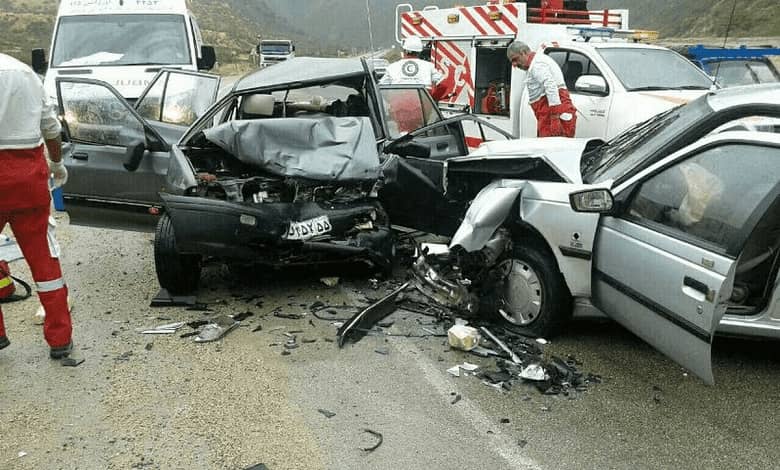
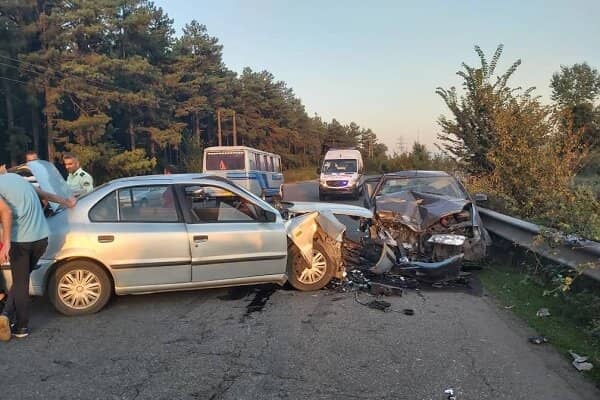
With the approval of the executive regulations for Clause (D) of Article 113 of the Seventh Development Plan Law, the process for handling injury accidents has undergone fundamental changes. According to these new regulations, many accidents resulting in injuries no longer require the formation of a judicial case, and their handling is fully managed by the Law Enforcement Command of the Islamic Republic of Iran (NAJA). The aim of this reform is to reduce visits to the judiciary and accelerate compensation payments to the victims.
New Process for Handling Injury Accidents
In the past, accident victims had to spend months traveling between the court, insurance company, and forensic medicine after receiving the accident sketch, and receiving compensation without a court ruling was practically impossible. However, with the implementation of the new regulations, the process has completely changed, and citizens can now receive their compensation within a short period.
According to judicial authorities, the handling stages in the new plan are as follows:
Scene Inspection and Electronic Sketch Preparation: The Traffic Police (NAJA) records the report and sketch digitally after arriving at the accident site.
Referral of the Injured to Forensic Medicine: The injured person is referred to forensic medicine to determine the type and extent of the injury.
Electronic Notification of Reports: Police reports and forensic medical opinions are sent to the parties involved and the insurance company through the Sana system.
Compensation Payment Without Court Ruling: If no objection is filed within a one-week period, the insurance company or the Bodily Injury Compensation Fund is required to pay the blood money (Diyah) within a maximum of 20 days.
Advantages of Implementing the New Law
Significant Reduction in Court Cases: A large number of accident cases are removed from the court cycle.
Fast Compensation Payment: Citizens can receive their entitled compensation in less than a month.
Reduced Litigation Costs: Eliminating additional expenses such as stamps and expert fees results in financial savings for the public.
Increase in Public Satisfaction: Speed in compensating damages reduces dissatisfaction caused by prolonged litigation.
Challenges and Considerations
Despite multiple advantages, legal experts have also pointed out some implementation challenges:
Reduced Accuracy in Technical Review: Relying solely on the police report may lead to errors in some cases.
Systemic Issues: Outages in electronic systems or some citizens’ unfamiliarity with the Sana system may hinder the smooth implementation of the plan.
Possibility of Increased Objections: If people lose trust in the decisions of the NAJA, we may again see cases being referred back to the court.
Exceptions: Which Accidents Still Require a Court Ruling?
The new law has not removed all cases from the judicial process, and in the following instances, judicial proceedings are still mandatory:
Intentional Accidents or Accidents Due to Gross Driver Negligence
Cases Covered by Articles 714 and 715 of the Islamic Penal Code (Accidents Resulting in Death or Severe and Permanent Injuries)
In Case of Objection by the Parties to the Police or Forensic Medicine Report
جمعبندی
The recent shift in handling injury accidents can be considered an important step toward reducing court involvement and facilitating public affairs. However, its full success requires coordination among NAJA, forensic medicine, insurance companies, and careful oversight by the judiciary to ensure that speed does not come at the expense of accuracy and justice.
 Persian
  Arabic
  English